The Bloomsbury Handbook of Disability and Horror
With Angela M. Smith and Sophia Siddique. The first major reference work on horror from a disability studies view: 22 chapters by scholars and artists worldwide.
Scholar · Filmmaker · Speaker
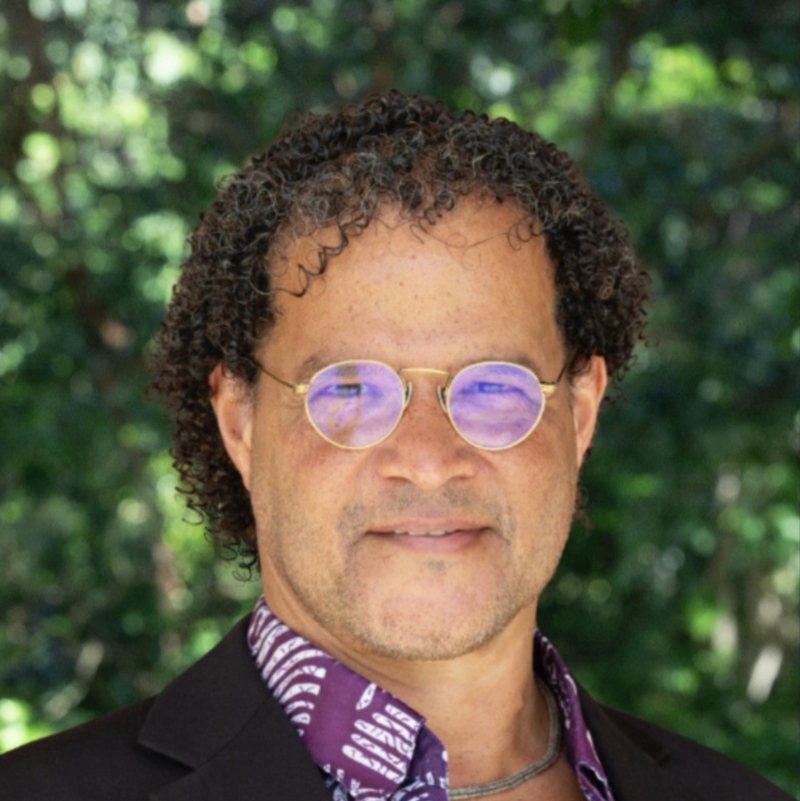
Raphael Raphael is an Assistant Professor at the Center on Disability Studies, College of Education, University of Hawaiʻi at Mānoa, Editor-in-Chief of the Scopus-indexed Review of Disability Studies, and the writer and director of the U.S.–Guatemalan feature Hidden Treasure of the Sweet Absolute (2026). He is also Program Coordinator of the Disability Studies program at the Center on Disability Studies, College of Education, University of Hawaiʻi at Mānoa.

Published and forthcoming with
Palgrave Macmillan · Bloomsbury Academic · Oxford University Press · University of Illinois Press

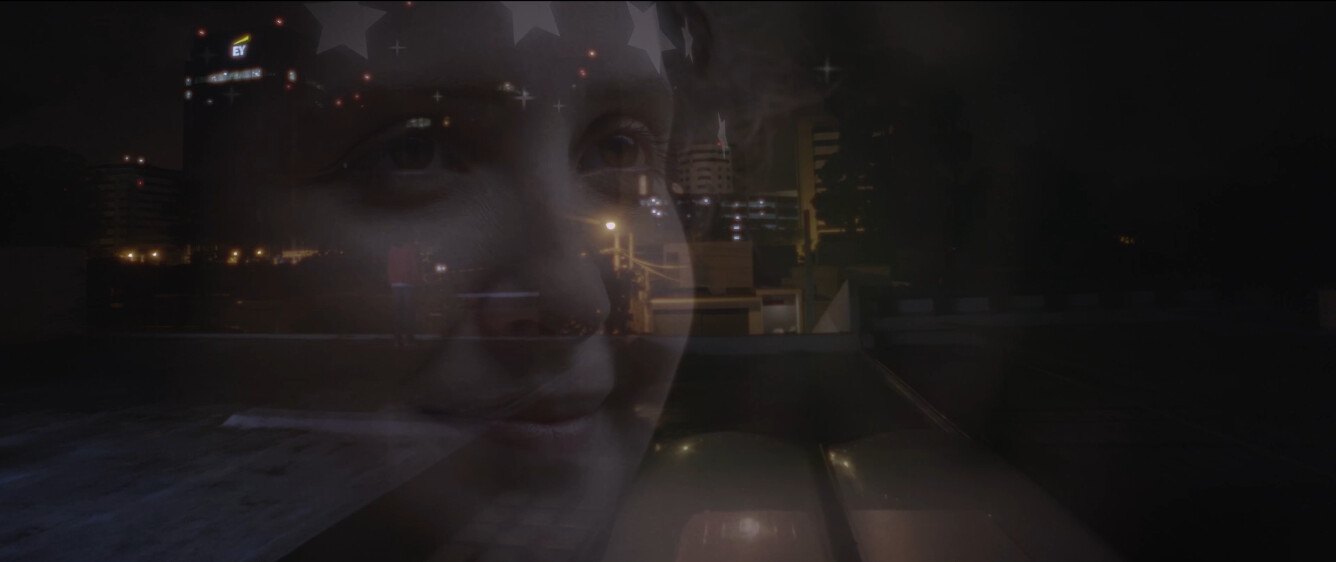
Feature film · Writer and director
A U.S.–Guatemalan narrative feature (1 hr 43 min), a transnational collaboration with the founding team of the Escuela de Cine y Artes Visuales at Universidad Francisco Marroquín, and with artists across Latin America, Europe, and the United States.
In this experiment in creative accessibility, open audio description and open captions are part of the story for every audience.
Festival premiere: to be announced.
Books & writing
With Angela M. Smith and Sophia Siddique. The first major reference work on horror from a disability studies view: 22 chapters by scholars and artists worldwide.
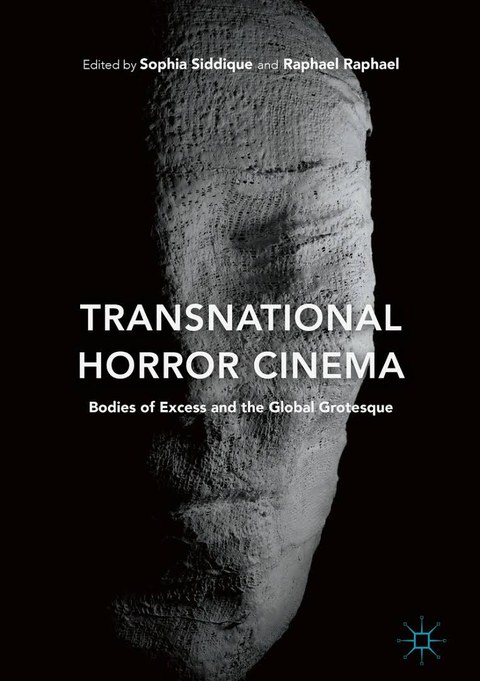
2016 · Co-editor · Palgrave Macmillan
How horror travels across borders, and what its bodies of excess reveal about fear, culture, and difference.
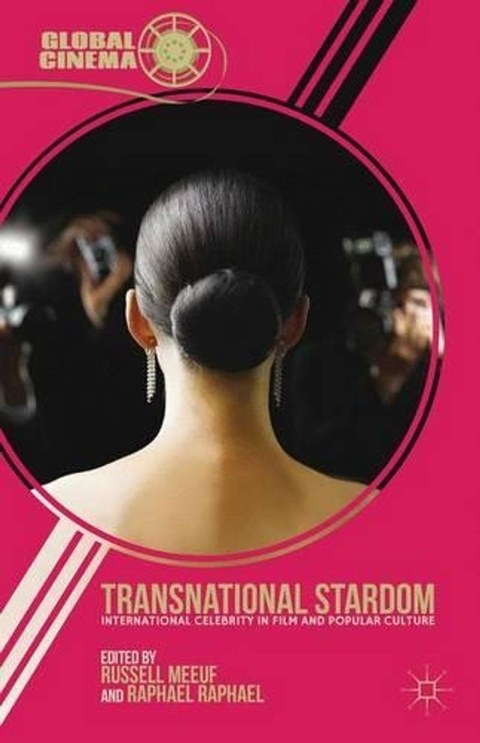
2013 · Co-editor · Palgrave Macmillan
Stars who cross national cinemas, and the cultural work their fame performs.
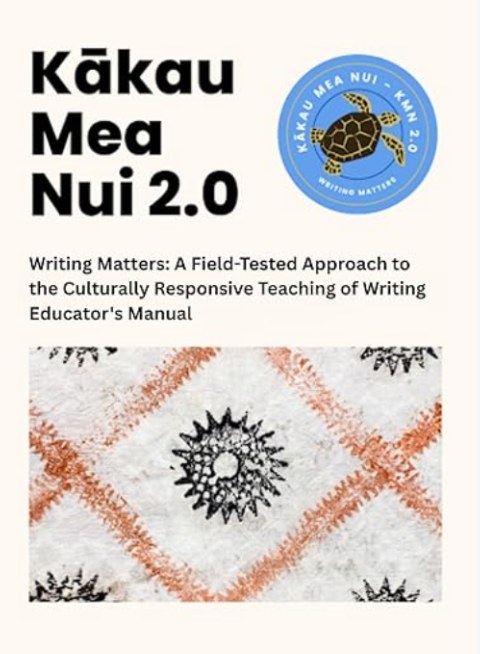
2026 · Co-author
Educator's manual from Kākau Mea Nui 2.0, with Holly Manaseri, Adrianne Hill, and Norma Jean Stodden. Available as a Kindle eBook.
“Toward an Oral History of the Hawaiʻi School for the Deaf and the Blind: Place, Language, and Power,” in This Is a Place We Made: Disability History and Public Land, ed. Kathleen Brian (University of Illinois Press, January 2027, open access).
“Cinema and Disability,” in The Oxford Handbook of Disability and Literatures in English, 1900–Present, eds. Michael Bérubé, Maren Linett, and Diana Paulin (Oxford University Press, forthcoming).
“Haunted Access: Disability, Horror, and Creative Accessibility,” with Monika Zabrocka-Śliwka, in The Bloomsbury Handbook of Disability and Horror (forthcoming).
Editor-in-Chief
Review of Disability Studies: An International Journal
The Scopus-indexed, diamond open-access and peer-reviewed journal. Special issues topics led include Disability and Film and Media, the Global South, Sub-Saharan Africa, and China.
Keynotes & talks
Public scholarship includes keynotes, workshops, and post-screening conversations.
What filmmakers gain when access is integrated as part of the art.
From Freaks (1932), a history of contradictions, and the ways some artists are rewriting it.
Critical AI and disability justice, informed by work on the University of Hawaiʻi's first AI policy.
How K–8 students in Hawaiʻi interview kūpuna and turn oral histories into short films.
Lessons from the Academy oral history project, SCMS Fieldnotes, and the CDS Oral History Project.
Stardom, genre, and making films across borders, from Guatemala City to Honolulu.
Revisiting Psycho (1960): how films turn mental illness into something to fear.
Practical ways teachers can connect learning to students' cultures, families, and places, drawn from work with Hawaiʻi Department of Education teachers.
Other topics in film, culture, disability studies, and education, designed in consultation around your community's needs.
Recent appearances
American Educational Research Association (Denver) · LitCon, featured speaker (Columbus) · Pacific Rim International Conference on Disability and Diversity · Hawaiʻi International Conference on Education · National Association for Multicultural Education · Modern Learning Conference
Film and media service
Courses
From disability studies to film theory and practice, courses are designed around autonomy and choice. In addition to academic papers, students may propose other final projects, such as podcasts, films, and art installations. One student wrote a play that was later published as a book.
Raphael Raphael is an interdisciplinary scholar, filmmaker, and Assistant Professor at the Center on Disability Studies at the University of Hawaiʻi at Mānoa. His areas of interest include disability studies, film theory and practice, horror, genre, and transnational cinema, oral history, accessible media, critical AI, culturally responsive teaching, and educational technology.
Across these areas, his work bridges academic publishing, independent cinema, accessible media, and public and community scholarship. Books and media include Transnational Horror Cinema (2016) (co-editor) and Transnational Stardom (2013) (co-editor), the forthcoming Bloomsbury Handbook of Disability and Horror (co-editor), and the U.S.-Guatemalan feature film Hidden Treasure of the Sweet Absolute (2026), which builds open audio description and captions into its storytelling. He is Editor-in-Chief of the Scopus-indexed journal Review of Disability Studies: An International Journal, served as Co-Principal Investigator of Kākau Mea Nui 2.0, a $2.7 million U.S. Department of Education grant, and serves as an independent researcher for the Academy of Motion Picture Arts and Sciences and Community Leader for Sundance Institute Collab.
He holds a Ph.D. in English (Film Studies) from the University of Oregon, an M.F.A. from the Transart Institute and Plymouth University, and an M.A. in Instructional Technology and Media from Teachers College, Columbia University. He has taught and worked in the United States, Indonesia, India, Kazakhstan, Greece, and Guatemala.
Make an inquiry
Every message is read. Clear, specific requests get the fastest reply. For professional inquiries contact casey@raphaelraphael.com. For University of Hawaiʻi business, please use rraphael@hawaii.edu.