Scholar · Filmmaker · Speaker

Building access into the way stories are made, shared, and remembered.

Raphael Raphael is an Assistant Professor at the Center on Disability Studies, College of Education, University of Hawaiʻi at Mānoa, Editor-in-Chief of the Scopus-indexed Review of Disability Studies, and the writer and director of the U.S.–Guatemalan feature Hidden Treasure of the Sweet Absolute (2026). He is also Program Coordinator of the Disability Studies program at the Center on Disability Studies, College of Education, University of Hawaiʻi at Mānoa.

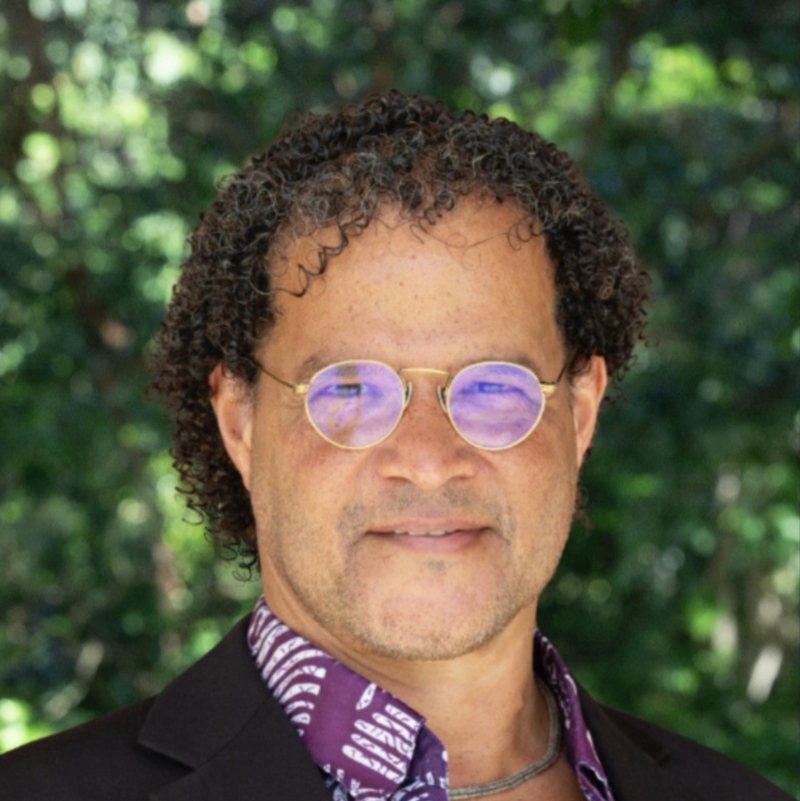
Portrait of Raphael Raphael outdoors in front of green leaves. He has curly dark hair and round gold-rimmed glasses, and wears a dark jacket over a purple patterned shirt. He is smiling.
BooksFive books and edited volumes, including Transnational Horror Cinema (2016)
GrantsCo-Principal Investigator, Kākau Mea Nui 2.0, a $2.7 million U.S. Department of Education grant
JournalEditor-in-Chief, Review of Disability Studies, indexed in Scopus
FilmHidden Treasure of the Sweet Absolute (2026), with open audio description and captions

Published and forthcoming with

Palgrave Macmillan · Bloomsbury Academic · Oxford University Press · University of Illinois Press

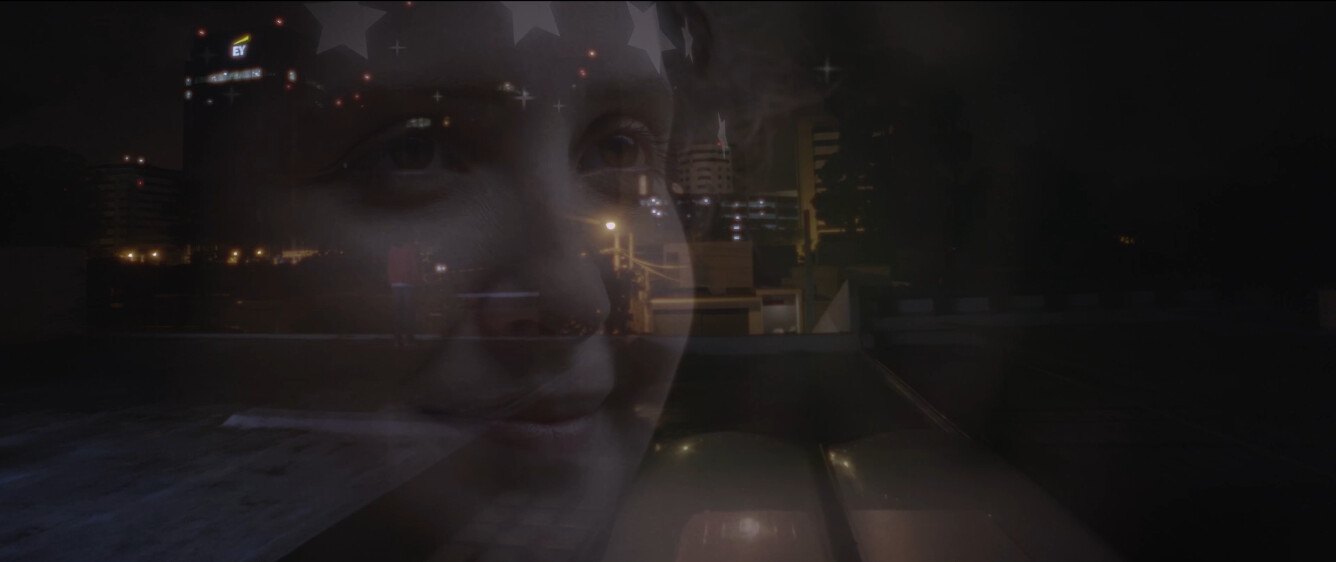
Still from Hidden Treasure of the Sweet Absolute: a woman's face, framed by stars, fades over a city at night.
Still from Hidden Treasure of the Sweet Absolute (2026)

Feature film · Writer and director

Hidden Treasure of the Sweet Absolute (2026)

A U.S.–Guatemalan narrative feature (1 hr 43 min), a transnational collaboration with the founding team of the Escuela de Cine y Artes Visuales at Universidad Francisco Marroquín, and with artists across Latin America, Europe, and the United States.

In this experiment in creative accessibility, open audio description and open captions are part of the story for every audience.

Festival premiere: to be announced.

Books & writing

Disability, horror, stardom, and the global screen

Film and Culture

Forthcoming · Co-editor

The Bloomsbury Handbook of Disability and Horror

With Angela M. Smith and Sophia Siddique. The first major reference work on horror from a disability studies view: 22 chapters by scholars and artists worldwide.

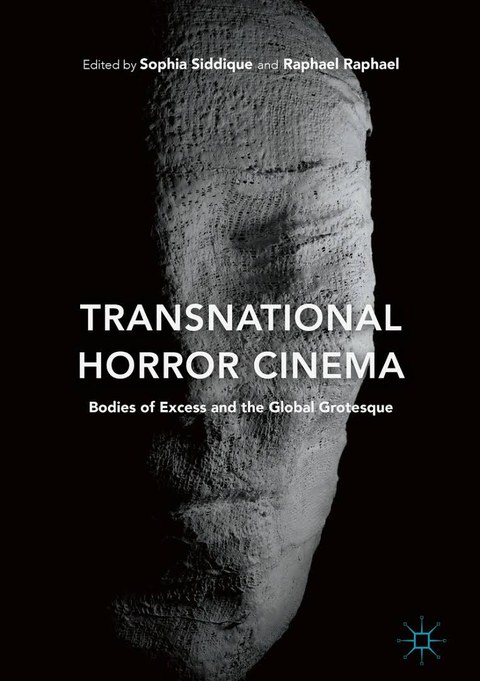
Cover of Transnational Horror Cinema, edited by Sophia Siddique and Raphael Raphael: a pale, textured face emerges from a black background. 2016 · Co-editor · Palgrave Macmillan

Transnational Horror Cinema: Bodies of Excess and the Global Grotesque

How horror travels across borders, and what its bodies of excess reveal about fear, culture, and difference.

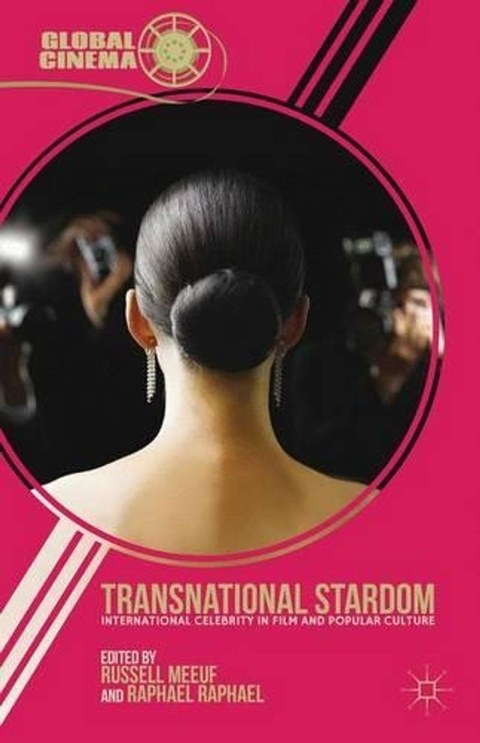
Cover of Transnational Stardom, edited by Russell Meeuf and Raphael Raphael: a woman with her hair in a bun faces a crowd of photographers, framed by a circle on a pink background. 2013 · Co-editor · Palgrave Macmillan

Transnational Stardom: International Celebrity in Film and Popular Culture

Stars who cross national cinemas, and the cultural work their fame performs.

Education

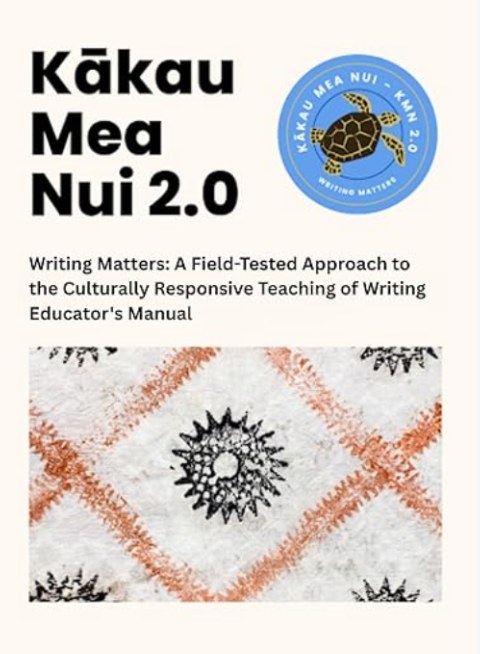
Cover of Kākau Mea Nui 2.0, Writing Matters: Educator's Manual, with a turtle seal and a printed kapa-style pattern in black and orange. 2026 · Co-author

Writing Matters: A Field-Tested Approach to the Culturally Responsive Teaching of Writing

Educator's manual from Kākau Mea Nui 2.0, with Holly Manaseri, Adrianne Hill, and Norma Jean Stodden. Available as a Kindle eBook.

Selected chapters

“Toward an Oral History of the Hawaiʻi School for the Deaf and the Blind: Place, Language, and Power,” in This Is a Place We Made: Disability History and Public Land, ed. Kathleen Brian (University of Illinois Press, January 2027, open access).

“Cinema and Disability,” in The Oxford Handbook of Disability and Literatures in English, 1900–Present, eds. Michael Bérubé, Maren Linett, and Diana Paulin (Oxford University Press, forthcoming).

“Haunted Access: Disability, Horror, and Creative Accessibility,” with Monika Zabrocka-Śliwka, in The Bloomsbury Handbook of Disability and Horror (forthcoming).

Editor-in-Chief

Review of Disability Studies: An International Journal

The Scopus-indexed, diamond open-access and peer-reviewed journal. Special issues topics led include Disability and Film and Media, the Global South, Sub-Saharan Africa, and China.

Visit the journal

Keynotes & talks

Talks for festivals, universities, museums, and educators

Public scholarship includes keynotes, workshops, and post-screening conversations.

Radical Creative Accessibility

What filmmakers gain when access is integrated as part of the art.

Loving and Fearing Disability in Horror

From Freaks (1932), a history of contradictions, and the ways some artists are rewriting it.

Who Does AI Serve?

Critical AI and disability justice, informed by work on the University of Hawaiʻi's first AI policy.

Story, Place, and the Classroom

How K–8 students in Hawaiʻi interview kūpuna and turn oral histories into short films.

Oral History as Public Memory

Lessons from the Academy oral history project, SCMS Fieldnotes, and the CDS Oral History Project.

Transnational Cinema

Stardom, genre, and making films across borders, from Guatemala City to Honolulu.

Vulnerable Monsters: Mental Illness on Screen

Revisiting Psycho (1960): how films turn mental illness into something to fear.

Building a Culturally Responsive Teaching Practice

Practical ways teachers can connect learning to students' cultures, families, and places, drawn from work with Hawaiʻi Department of Education teachers.

Tailored Talks and Workshops

Other topics in film, culture, disability studies, and education, designed in consultation around your community's needs.

Recent appearances

American Educational Research Association (Denver) · LitCon, featured speaker (Columbus) · Pacific Rim International Conference on Disability and Diversity · Hawaiʻi International Conference on Education · National Association for Multicultural Education · Modern Learning Conference

Film and media service

In the wider film community

  • Independent researcherAcademy of Motion Picture Arts and Sciences, Oral History Project
  • Community leaderSundance Institute Collab, Accessibility and Inclusion channel
  • Chair (2022–2024)SCMS Fieldnotes, oral history of film and media scholars. Interviews include Laura Mulvey.
  • Juror, curator, and co-organizerSuperfest Disability Film Festival
  • Film criticAfrican American Film Critics Association (AAFCA)

Courses

Courses built for access from day one

From disability studies to film theory and practice, courses are designed around autonomy and choice. In addition to academic papers, students may propose other final projects, such as podcasts, films, and art installations. One student wrote a play that was later published as a book.

Disability Studies

  • Disability History and Culture: “From Homer to Hip Hop” Undergraduate, University of Hawaiʻi at MānoaHow people across centuries and cultures have seen, treated, and lived with disability.
  • Disability History Graduate, University of Hawaiʻi at MānoaHow disabled people have been treated across eras, places, and cultures.
  • Disability and Diversity Issues Graduate, University of Hawaiʻi at MānoaCurrent issues facing people with disabilities and their families, across cultures.
  • Representations of Disability in Film Graduate, University of Hawaiʻi at MānoaCinema's long, ambivalent love affair with disability, with people portrayed as saints or monsters, objects of fear and attraction.
  • Telling Our Stories: Disability Storytelling Lab Graduate, University of Hawaiʻi at MānoaStudents use simple digital tools to create life-story portraits that explore disability.

Film and Media

  • Representations of Disability in Film Graduate, University of Hawaiʻi at MānoaCinema's long, ambivalent love affair with disability, with people portrayed as saints or monsters, objects of fear and attraction.
  • Graduate Seminar in Film Theory MFA, Akira Kurosawa School of Film, Anaheim UniversityMajor approaches to film, including genre, authorship, feminism, and semiotics.
  • Transnational Horror Genre Production Seminar MFA, Akira Kurosawa School of Film, Anaheim UniversityGenre theory and cultural exchange, studied through horror as a global genre.
  • The International Film Business MFA, Akira Kurosawa School of Film, Anaheim UniversityHow film works as a global business, from financing and production to distribution and marketing.
  • Producing Transmedia for the Web: Storytelling and Marketing Strategies for Filmmakers MFA, Akira Kurosawa School of Film, Anaheim UniversityMaking and marketing video for online release, including transmedia storytelling and social media.
  • “Century of Cinema” hybrid history/production lab Film school, Universidad Francisco MarroquínA century of landmark films, studied decade by decade, with students making short films in response.
  • Masterclass in Transmedia Storytelling Film school, Universidad Francisco MarroquínBuilding one story across film, web series, games, and social media, from concept to launch.
  • Feature Film Production Workshop Film school, Universidad Francisco MarroquínStudents work on a feature film from script to set, rotating through key production roles.
  • Introduction to Film and Media Undergraduate, University of OregonWays to study and closely analyze film and media.
  • The Rhetoric of Visual Culture Undergraduate, University of OregonResearch writing taught through the lens of visual culture.
  • History of the Motion Picture I and II Undergraduate, section instructor, University of OregonHow film grew as technology, art, and culture, from before cinema to the present.

Teacher Education

  • Culturally Responsive Teaching Professional development, Hawaiʻi Department of EducationConnecting writing and learning to students' cultures, families, and places.
  • Filmmaking and Digital Storytelling for Teachers Professional development, Hawaiʻi Department of EducationFor teachers new to filmmaking, drawing on lessons from a U.S. Department of Education grant.

About

Raphael Raphael

Read my story → · Download CV (PDF)

Raphael Raphael is an interdisciplinary scholar, filmmaker, and Assistant Professor at the Center on Disability Studies at the University of Hawaiʻi at Mānoa. His areas of interest include disability studies, film theory and practice, horror, genre, and transnational cinema, oral history, accessible media, critical AI, culturally responsive teaching, and educational technology.

Across these areas, his work bridges academic publishing, independent cinema, accessible media, and public and community scholarship. Books and media include Transnational Horror Cinema (2016) (co-editor) and Transnational Stardom (2013) (co-editor), the forthcoming Bloomsbury Handbook of Disability and Horror (co-editor), and the U.S.-Guatemalan feature film Hidden Treasure of the Sweet Absolute (2026), which builds open audio description and captions into its storytelling. He is Editor-in-Chief of the Scopus-indexed journal Review of Disability Studies: An International Journal, served as Co-Principal Investigator of Kākau Mea Nui 2.0, a $2.7 million U.S. Department of Education grant, and serves as an independent researcher for the Academy of Motion Picture Arts and Sciences and Community Leader for Sundance Institute Collab.

He holds a Ph.D. in English (Film Studies) from the University of Oregon, an M.F.A. from the Transart Institute and Plymouth University, and an M.A. in Instructional Technology and Media from Teachers College, Columbia University. He has taught and worked in the United States, Indonesia, India, Kazakhstan, Greece, and Guatemala.
Make an inquiry

Keynotes, screenings, book projects, and collaborations

Every message is read. Clear, specific requests get the fastest reply. For professional inquiries contact casey@raphaelraphael.com. For University of Hawaiʻi business, please use rraphael@hawaii.edu.